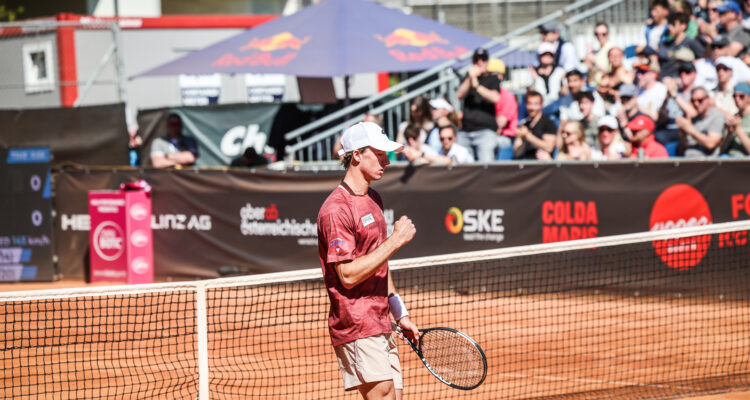
MAUTHAUSEN, May 5, 2026
Austria’s ATP Challenger circuit is undergoing a period of significant change. Following the cancellation of events in Salzburg (2025) and the pause of Bad Waltersdorf in 2026, just two tournaments remain on the calendar: Mauthausen and Tulln, both ATP Challenger 100 events organized by Florian Leitgeb and his team at Champ Events. Their role in developing Austrian players has never been more crucial.
Leitgeb views the shrinking number of tournaments with concern. “It’s incredibly unfortunate. A year or two ago, we had four events in Austria and were even discussing the need to add more. Now we are down to just two. These tournaments are so important for our players and for the development of Austrian tennis,” he explains.
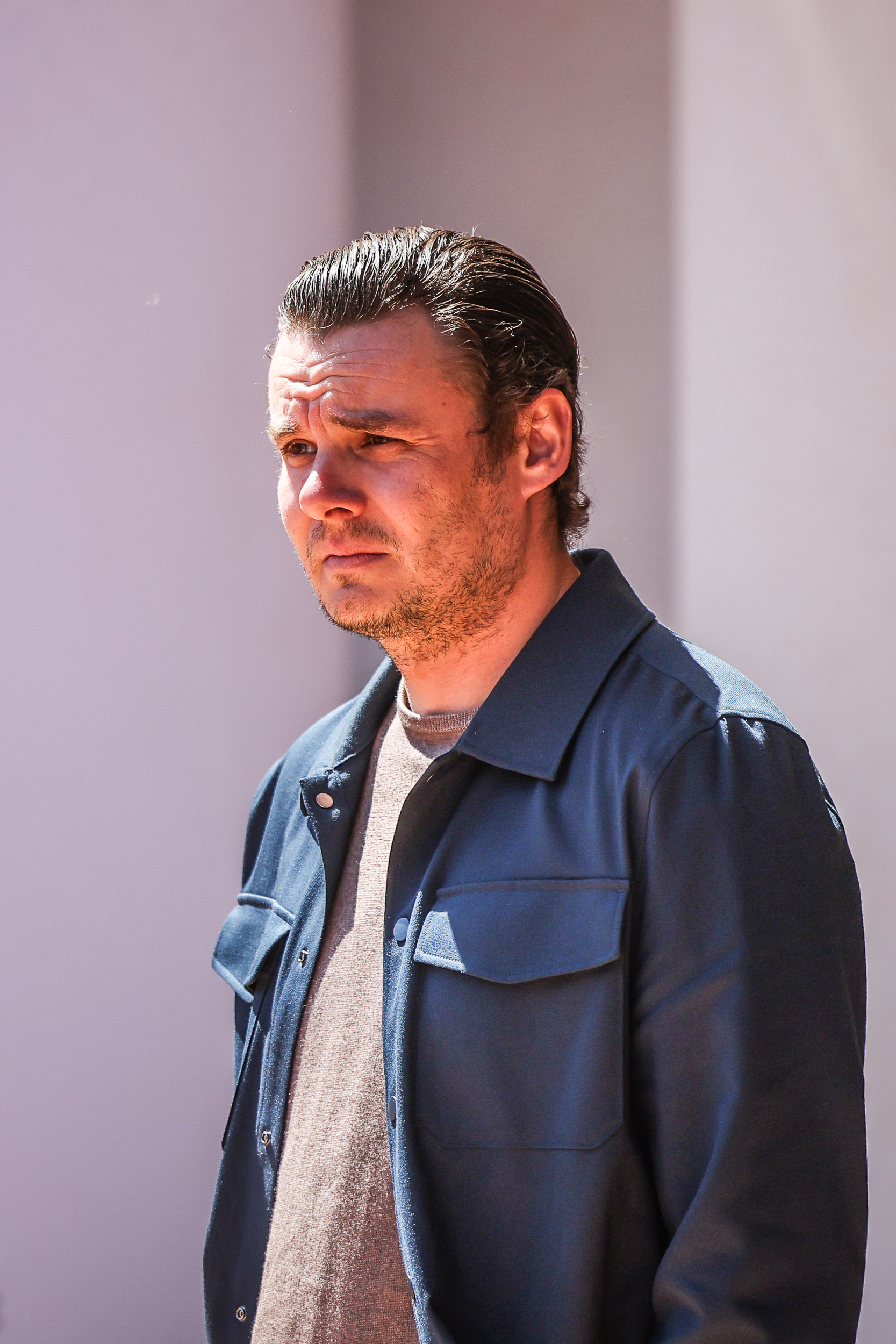
Florian Leitgeb (photo: Sportmediapics.com/ Manfred Binder)
Despite the challenges, Leitgeb emphasizes the core mission behind the events. “We built Mauthausen and Tulln specifically to give young Austrian players a platform at this level. That’s our clear objective. They get to compete against strong international players, which is essential for their growth.”
Behind the scenes, organizing a Challenger tournament has become increasingly complex. From infrastructure and logistics to sponsorship and ATP requirements, the workload continues to grow. “Many people watch the matches or attend as fans and think you just set up a few courts and get started. But there is an enormous amount of work and time behind it,” Leitgeb says. “Costs have risen significantly—whether it’s for stands, energy, or general operations.”
Transport logistics alone illustrate the scale of the effort. While many Challenger events operate with limited shuttle services, Mauthausen and Tulln provide a flexible, around-the-clock transport system for players, setting new standards in player care.
At the same time, financial pressures are mounting. “Everything is becoming more expensive, and it’s increasingly difficult to attract new sponsors. Marketing budgets are being reduced rather than increased—we feel that directly,” Leitgeb admits. Nevertheless, both tournaments remain stable thanks to long-term partnerships. “We are fortunate that our partners believe in the Challenger product and have supported us for years—not only financially, but also with trust and commitment.”
Maintaining visibility for partners is another key factor in sustaining the events. The more exposure tournaments can offer, the more valuable they become for sponsors, creating a mutually beneficial relationship.
Despite economic realities, the focus remains firmly on the tennis. “We want to be a tournament for the players—and you can see that in many details,” says Leitgeb. This philosophy also extends to wildcard decisions. “We had strong international options that could have boosted the draw, but it was important for us to give all wildcards to Austrian players. That’s exactly why we organize these tournaments.”
Feedback from players has been overwhelmingly positive, reinforcing the direction taken by the organizers. Continuous improvement is part of the process, with adjustments and innovations implemented year after year.
A key strength lies in the team behind the events. A dedicated group of staff, volunteers, and partners ensures smooth operations. “Everyone pitches in—whether it’s setup, breakdown, or small tasks in between. That spirit is one of the reasons why our tournaments work so well,” Leitgeb notes.
Looking ahead, the goal is clear: secure the long-term future of the existing tournaments while exploring opportunities for growth. “I hope that in five years we are still here organizing Challenger events in Austria. That’s no longer something you can take for granted,” he says.
At the same time, Leitgeb sees potential for expansion. “More tournaments would benefit Austrian tennis. If you look at countries like Italy, where Challenger events take place almost every week, you can see the impact. It’s not directly comparable, but I believe we can move in that direction.”
For now, the focus remains on maintaining quality, operating sustainably, and continuing to develop the tournaments step by step. “As long as we have these events, we will give everything to keep them at this level—for the players, the fans, and Austrian tennis.”
Following a successful week in Mauthausen, which attracted around 4,000 fans and delivered a vibrant atmosphere, attention now turns to the next stop: the NÖ Open powered by EVN in Tulln, set to take place from September 6 to 13, 2026.