STARNBERG, April 20, 2026
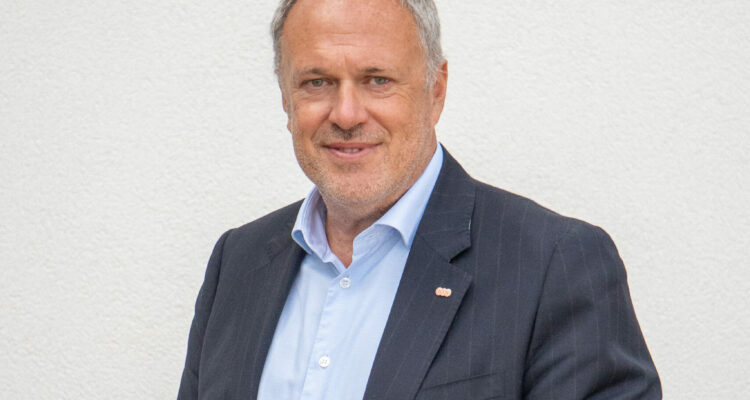
Richard Grasl has been unanimously elected as the new president of the Austrian Tennis Federation (ÖTV), setting out an ambitious agenda focused on growth, modernization, and long-term success in Austrian tennis.
Speaking after his appointment at the federation’s general assembly in Oberpullendorf, the 53-year-old described the unanimous vote as both a strong endorsement and a significant responsibility. “It shows that the regional associations and delegates fully support our vision,” Grasl said. “But it also means we now have to deliver.”
A long-time tennis enthusiast, Grasl pointed to both personal passion and encouragement from regional federation leaders as key motivations for taking on the role. Having followed his son’s development in junior tennis, he identified clear opportunities to improve conditions for young players—an area that will be central to his presidency.
While balancing the role with his responsibilities as CEO of a major media company, Grasl emphasized that his work for Austrian tennis will largely take place in his free time. “When you enjoy something this much, you don’t think about the hours,” he said.
Financial stability remains one of the federation’s core challenges. Although Grasl believes the ÖTV is currently in a solid position, he stressed the need to secure additional sponsorship and funding in a difficult economic climate. “Only with strong financial backing can we improve the overall framework for the sport,” he noted.
On the sporting side, Grasl sees promising signs in Austria’s emerging talents, including Lilli Tagger and Joel Schwärzler, but acknowledged there is still room for improvement at the top level. His long-term vision focuses on expanding participation—especially among children—and building stronger development pathways.
Rather than relying on a single flagship project, Grasl aims to enhance structures across the board, particularly in coaching and training environments. He highlighted the importance of modern approaches, including mental conditioning, data-driven tools, and technological innovations such as AI and virtual reality.
Looking abroad, Grasl identified Italy as a model for success, citing its strong player pipeline, tournament structure, and training systems. “We need to create similar conditions in Austria if we want to compete at the highest level,” he said.
Close cooperation with regional associations will be essential to achieving these goals. Grasl emphasized open communication and shared responsibility, describing the relationship as one that must “work like clockwork.”
In the short term, key events such as the national championships and upcoming tournaments will set the tone for his presidency. Particular attention will be on Austria’s Davis Cup campaign, where the team will face Belgium Davis Cup Team in a crucial home tie.
Grasl is optimistic about Austria’s chances, especially with home support. “It could become a real tennis festival,” he said. “And if we manage to pull off another upset, it would be a major milestone.”